
Bone Broth vs Stock vs Broth: What Is the Difference?
Bone broth, stock and broth compared: what goes in the pot, how long each simmers, how much protein you get and when you can swap them.


In this guide
Bone broth is stock that has been simmered for much longer, usually 12 to 24 hours, so that more of the collagen in the bones dissolves into the liquid. Stock is made the same way in a few hours and is meant for cooking with. Broth is made mainly from meat, cooks faster still and is seasoned to eat as it is.
The short version
- Broth: mainly meat, 1 to 2 hours, seasoned, eaten as soup.
- Stock: bones, 3 to 6 hours, usually unseasoned, for cooking.
- Bone broth: bones and joints, 12 to 24 hours, sets to a jelly, about 8 to 10g of protein a cup.
- Labels are not consistent, so go by the protein figure.
In everyday use the three words overlap, and labels are not consistent. What actually differs is the cooking time, what goes in the pot and how much protein ends up in the cup.
Broth, stock and bone broth at a glance
| Broth | Stock | Bone broth | |
|---|---|---|---|
| Made from | Meat, sometimes with bones | Bones, usually with vegetables | Bones with plenty of joint and connective tissue |
| Typical simmer | 1 to 2 hours | 3 to 6 hours | 12 to 24 hours |
| Seasoned | Yes | Usually not | Lightly, at the end |
| When chilled | Stays liquid | May set lightly | Sets to a jelly |
| Protein per cup | About 2 to 6g | About 2 to 6g | About 8 to 10g |
| Mostly used for | Eating as soup | Cooking: sauces, soups, risotto | Drinking, or anywhere you would use stock |
The protein figures are from Harvard Health, which puts bone broth at about 8 to 10g a cup against 2 to 6g for most broths and stocks (Harvard Health). The simmer times are typical ranges. Recipes vary.
Is bone broth just stock?
Largely, yes. Cooks have made long-simmered stock from roasted bones for a very long time. "Bone broth" is the name it took on when people started drinking it by the mug instead of cooking with it.
The practical differences are time and purpose. A stock is ready when it tastes good enough to cook with. A bone broth carries on until the joints and connective tissue have given up their collagen, which is what makes it richer in protein and makes it set when cold.
Why the longer simmer matters
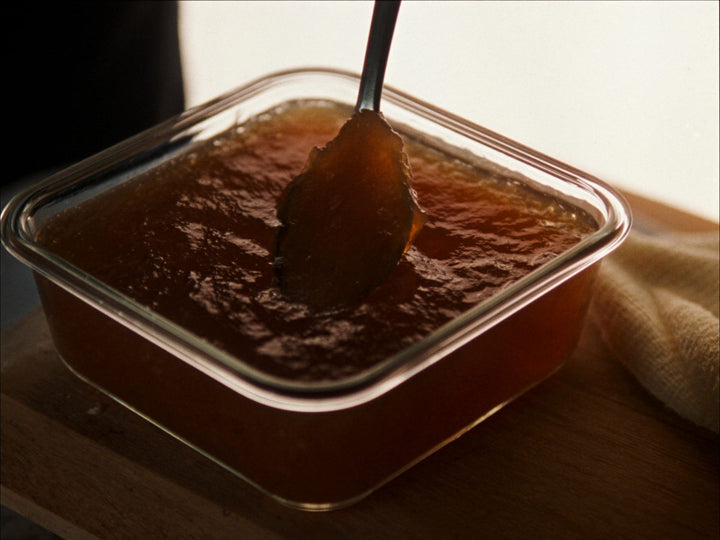
Collagen is the tough protein in bone, cartilage and tendon. Heat and time turn it into gelatin, which dissolves into the water. The longer and gentler the simmer, and the more joint bones in the pot, the more gelatin you get.
That is the reason for the higher protein figure, and for the way a good bone broth wobbles when it is cold. It is also why the name alone tells you little. When researchers analysed home-made and shop-bought bone broths, the amounts of collagen's key amino acids varied widely from one recipe to the next (Alcock and colleagues, 2019). Go by the protein on the label, not the word on the front.
What about stock cubes and stock pots?
They are seasonings. A stock cube is mostly salt, fat and flavourings, with a small amount of dried stock or yeast extract. It adds flavour to a dish, but check the label and you will usually find very little protein and a lot of salt. It is not a substitute for bone broth if protein or collagen is what you are after.
Can you swap one for another?
- Bone broth instead of stock: yes, in anything. It will be richer, so you may want a little less of it in delicate dishes.
- Stock instead of bone broth: fine for cooking. For drinking it will be thinner and have less protein.
- Broth instead of either: fine for soups. It is already seasoned, so go easy on the salt.
Where bone broth powder fits
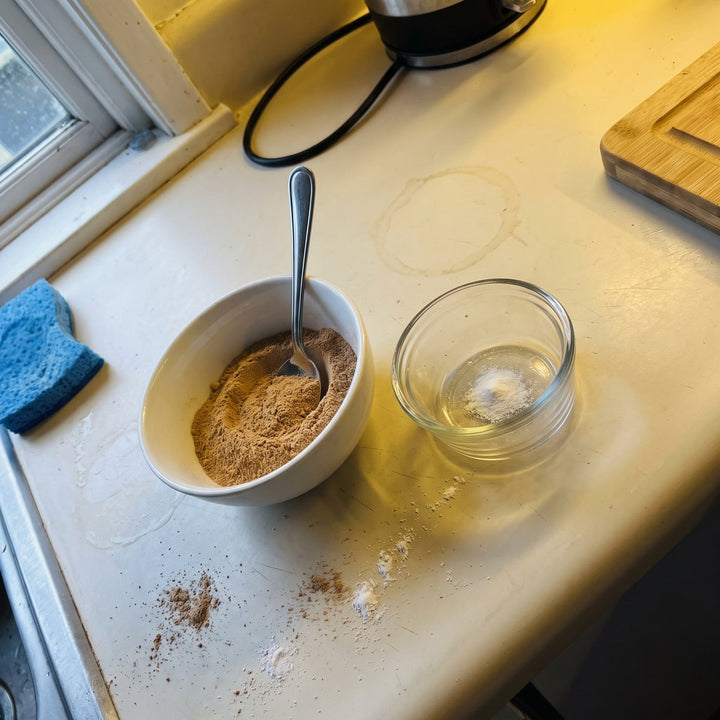
Bone broth powder is bone broth with the water taken out. Ours is beef bones simmered for 24 hours and then dried, with nothing added but hyaluronic acid. A 15g serving has 14.3g of protein, and it has no added salt.
Stir it into hot water and it is broth again. Or add it straight to a soup, stew, gravy or the water for rice, as you would stock, and season the dish yourself. See the grass-fed beef bone broth powder or our bone broth powder guide.
Common questions
Is bone broth healthier than stock?
It usually has more protein per cup, because more of the collagen has been cooked out of the bones. Beyond that they are similar. There is more on what the research does and does not show in is bone broth good for you?
Does stock have collagen?
Some. Any liquid made by simmering bones contains gelatin. A shorter simmer simply extracts less of it.
Can I turn stock into bone broth?
Yes. Keep simmering it gently with the bones still in. Our recipe gives the timings for the hob, slow cooker and pressure cooker: how to make bone broth.
Is consomme the same thing?
No. Consomme is stock or broth that has been clarified until it is completely clear. It is about appearance and flavour, not a longer simmer.
Sources
- Harvard Health Publishing. Savoring the benefits of bone broth: worth a taste? 2025. Harvard Health
- Alcock RD, Shaw GC, Burke LM. Bone broth unlikely to provide reliable concentrations of collagen precursors compared with supplemental sources of collagen used in collagen research. Int J Sport Nutr Exerc Metab. 2019;29(3):265-272. PubMed
Kristian started reGrounded to make nutrition the way people ate before supplements: real food, short labels and nothing added to hide a problem. He writes these guides to set out what goes into each product and what the research does and does not show.


